6 Common Mistakes to Avoid in Manas National Park Safari
By ADITI PAUL [06/May/26] Most people visit Manas National Park expecting an unforgettable wildlife experience. But here’s the reality - many tourists and explorers return feeling underwhelmed. Not because the park isn’t beautiful (it absolutely is), but because of a few simple mistakes that quietly ruin the entire safari. If you’re planning a Manas wildlife trip, avoiding these mistakes can turn your experience from just another jungle ride into something truly memorable.
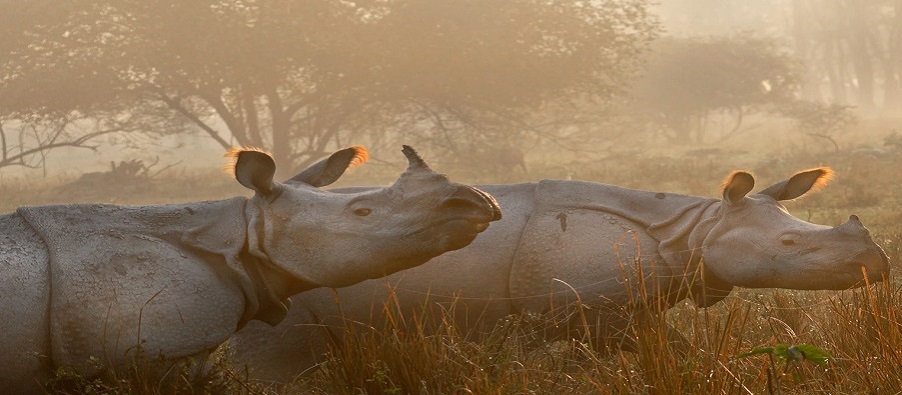
The Most Common Safari Mistakes Tourists Make
1. Booking a Safari at the Last Minute
This is probably the biggest and most common mistake. A lot of tourists assume they can just arrive and book a safari on the spot. But Manas doesn’t work like that - especially during peak months. Safari slots are limited, and they fill up quickly. Plan early and secure your Manas online safari booking at least 1-2 weeks before your trip. It saves you from last-minute stress and disappointment.
2. Choosing the Wrong Time of Day
Not all safaris offer the same experience.
• Morning safaris are usually the best for wildlife sightings
• Afternoon safaris are quieter but less predictable
If your goal is to actually spot animals, timing matters more than you think. Go for an early morning safari. The forest is more active, and your chances improve naturally.
3. Expecting Guaranteed Tiger Sightings
This expectation sets many people up for disappointment. Unlike Kaziranga National Park, which is famous for frequent sightings, Manas is wilder and less commercialised.
That means:
• Fewer crowds
• Untouched landscapes
• But also less predictable wildlife sightings
Don’t treat it like a checklist. The magic of Manas lies in the experience, not just spotting a tiger.
4. Ignoring Local Guides & Drivers
You might think you can just sit back and enjoy the ride - but that’s not how safaris work. Guides and drivers are your biggest advantage in the forest.
They:
• Understand animal movement patterns
• Know the hidden trails and zones
• Can spot things you’ll likely miss
Don’t treat it like a checklist. The magic of Manas lies in the experience, not just spotting a tiger.
Simple advice: Listen, observe, and trust their instincts. It makes a huge difference.
Planning Mistakes That Can Ruin Your Trip
1. Visiting in the Wrong Season
Timing your trip incorrectly can affect everything - from road conditions to safari availability. The monsoon season (June to September) often brings heavy rain and travel disruptions.
Best time to visit: November to April - pleasant weather and better safari conditions.
2. Poor Travel Planning
Getting to Manas isn’t as straightforward as travelling within a city. The nearest major hub is Guwahati, and from there, it takes several hours by road. A common mistake? Underestimating travel time.
What to do instead: Plan buffer time in your itinerary so you’re not rushing or missing your safari slot.
3. Not Booking a Stay Near the Park
This one often gets overlooked. Staying far from the park might seem cheaper or more convenient at first, but it can cost you time, energy, and even safari opportunities. Choose accommodation close to the park’s entry gates. It makes early morning safaris much easier and less stressful.
The Biggest Mistake (Most People Miss This)
Here’s something most travel guides won’t tell you. The biggest mistake is focusing only on seeing animals. Yes, wildlife sightings are exciting, but Manas offers something deeper.
It’s about:
• The silence of the forest
• The sound of birds and wind
• The feeling of being far from everything
If you slow down, stay present, and absorb your surroundings, you’ll walk away with a far richer experience. So, if you are planning your wildlife trip to Manas, start early, book smart, and prepare well. Because in a place like Manas National Park, the little things make all the difference.
About the author